LED vs Traditional Elevator Lighting: Energy and Cost Comparison
Lighting plays a significant role in elevator interiors, influencing aesthetics, energy efficiency, and operational costs. Modern elevators increasingly use LED lighting, replacing traditional incandescent or fluorescent lamps. Understanding the benefits and differences helps building managers make informed choices.
LED lighting offers superior energy efficiency, consuming significantly less electricity than traditional lighting. This reduces operational costs and contributes to sustainability goals, particularly in buildings with multiple elevators operating around the clock.
LEDs also have longer lifespans, often exceeding 50,000 hours, compared to 5,000–10,000 hours for traditional lighting. Longer life reduces maintenance frequency and replacement costs, which is particularly important in commercial and industrial settings.
In terms of design, LED systems provide flexibility. They can be integrated into ceilings, side panels, or floor lighting, and offer options for color temperature, brightness, and dimming. This allows for a more modern and customizable cabin environment.
Traditional lighting, while initially cheaper, consumes more energy and requires frequent replacements. Over time, this leads to higher total costs and increased maintenance labor. Additionally, older lighting systems may generate more heat, affecting passenger comfort.
Safety is another consideration. LED lights generate less heat and are less prone to filament breakage or tube failure. They provide consistent illumination, improving passenger visibility and safety within the cabin.
When comparing costs, initial investment in LED lighting may be slightly higher, but energy savings, reduced maintenance, and extended lifespan make LEDs more cost-effective over time.
In conclusion, LED elevator lighting offers significant advantages over traditional systems, including energy efficiency, longevity, design flexibility, and safety. Building operators seeking long-term cost savings and modern aesthetics should consider upgrading to LED lighting solutions.
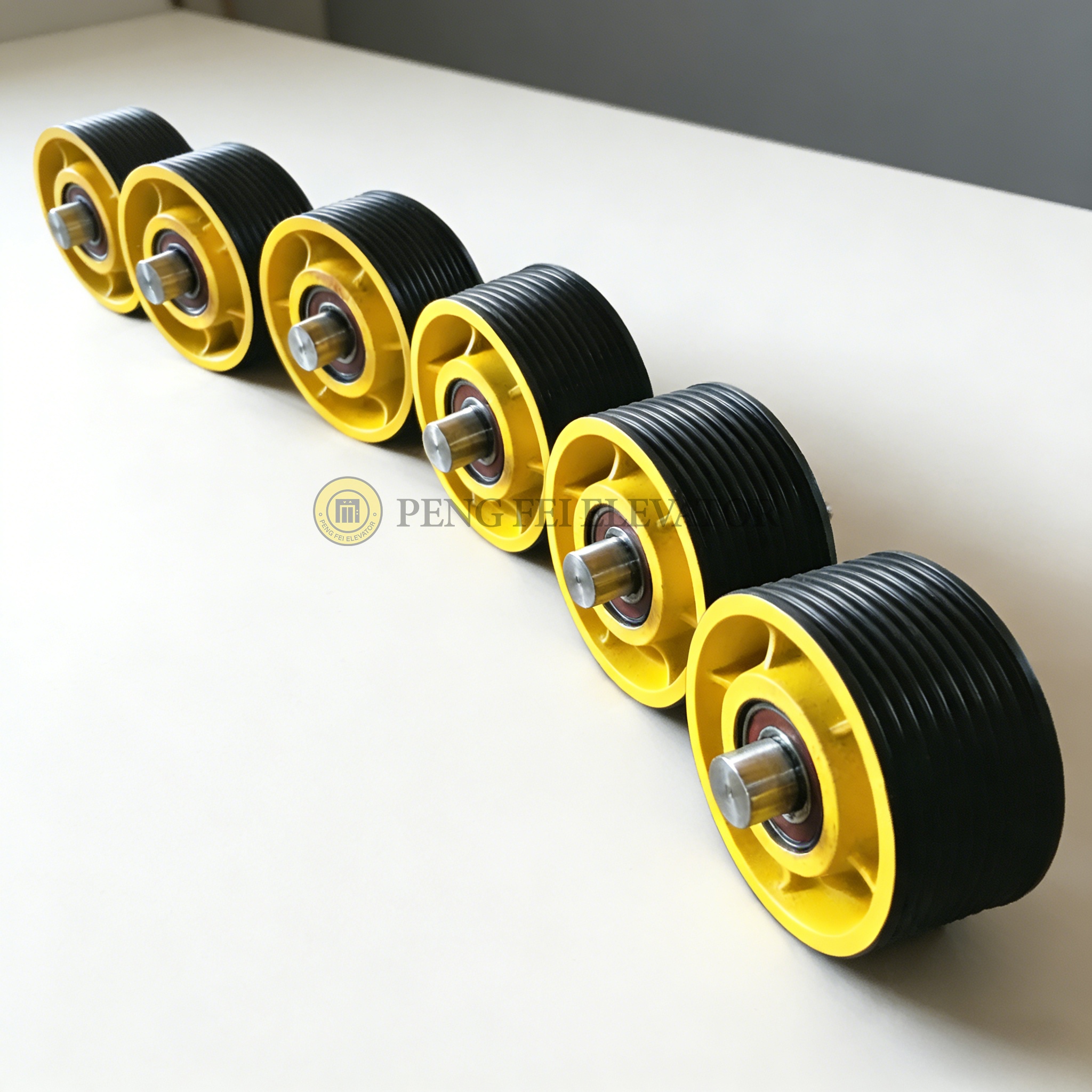
We offer various mechanical replacement parts for escalators and elevators. The products include escalator tooth plates, step frame strips, wear-resistant guide rail strips, step rollers, sprockets, driving rollers, driving friction wheels, driving shafts, gear assemblies, step chains, complete chain components, handrail belts, etc. In addition, we also provide elevator wire rope head assemblies, traction machine shock absorbers, car shock absorbers, sliding guide shoes, hollow guide rails, cast iron guide shoe shoes, traction wheels, guide wheels, buffers, etc. All wear-prone components suitable for electric escalators are compatible with mainstream elevator brands and are applicable for equipment maintenance, renovation projects, and new machine assembly. We offer OEM customization services and can handle large-scale orders as well as small-scale repair orders. Our products are of stable quality and the factory direct sales price has a significant advantage.