Elevator Safety Standards Explained: CE, ISO and Global Requirements
Elevator safety is one of the most critical factors in any building project. Whether for residential, commercial, or industrial use, elevators must meet strict safety standards to ensure reliable operation and passenger protection.
For international buyers, understanding elevator safety certifications such as CE and ISO is essential when selecting a supplier. These standards not only guarantee product quality but also ensure compliance with global regulations.
In this guide, we explain the most important elevator safety standards and what buyers should look for when choosing a supplier.
Why Elevator Safety Standards Matter
Elevators operate daily under high usage, making safety a top priority.
Without proper standards, elevator systems may pose serious risks, including mechanical failure or operational hazards. Compliance with international safety standards ensures that elevators are designed, manufactured, and tested to meet strict safety requirements.
For buyers, choosing a certified elevator system reduces risk and ensures long-term reliability.
What is CE Certification?
CE certification is a mandatory requirement for products sold in the European market.
For elevators, CE marking indicates that the product meets European safety, health, and environmental protection standards.
This certification covers key aspects such as design, manufacturing, installation, and testing. Working with a CE-certified elevator supplier ensures that the system complies with European regulations.
What is ISO Certification?
ISO certification refers to international standards developed to ensure quality and consistency.
For elevator manufacturers, ISO certifications such as ISO 9001 demonstrate that the company follows strict quality management systems.
This means that the production process is standardized, quality is controlled, and products are consistently reliable.
Other Global Elevator Standards
In addition to CE and ISO, different countries and regions have their own safety standards.
For example, the United States follows ASME standards for elevators and escalators. Other regions may have local certification requirements that must be met before installation.
For international projects, it is important to ensure that the elevator system complies with the specific regulations of the destination country.
Key Safety Features in Modern Elevators
Modern elevators are equipped with advanced safety features to meet global standards.
Emergency braking systems automatically stop the elevator if there is a malfunction.
Door sensors prevent doors from closing when an obstruction is detected.
Overload protection systems ensure that the elevator does not operate beyond its capacity.
Backup power systems allow the elevator to function during power outages.
These features are essential for ensuring safe and reliable operation.
How to Ensure Your Elevator Meets Standards
When choosing an elevator supplier, buyers should verify all certifications and technical documentation.
Request product certificates, test reports, and compliance documents before making a purchase.
It is also important to work with an experienced elevator manufacturer that understands international regulations and export requirements.
A professional elevator parts supplier can also ensure that replacement components meet the same safety standards.
Conclusion
Elevator safety standards such as CE and ISO play a crucial role in ensuring product quality and operational safety.
Understanding these standards helps buyers make informed decisions and avoid potential risks.
If you are looking for a reliable elevator supplier with certified products and global experience, working with a trusted manufacturer will ensure safety, compliance, and long-term performance.
Contact us today to learn more about our certified elevator solutions.
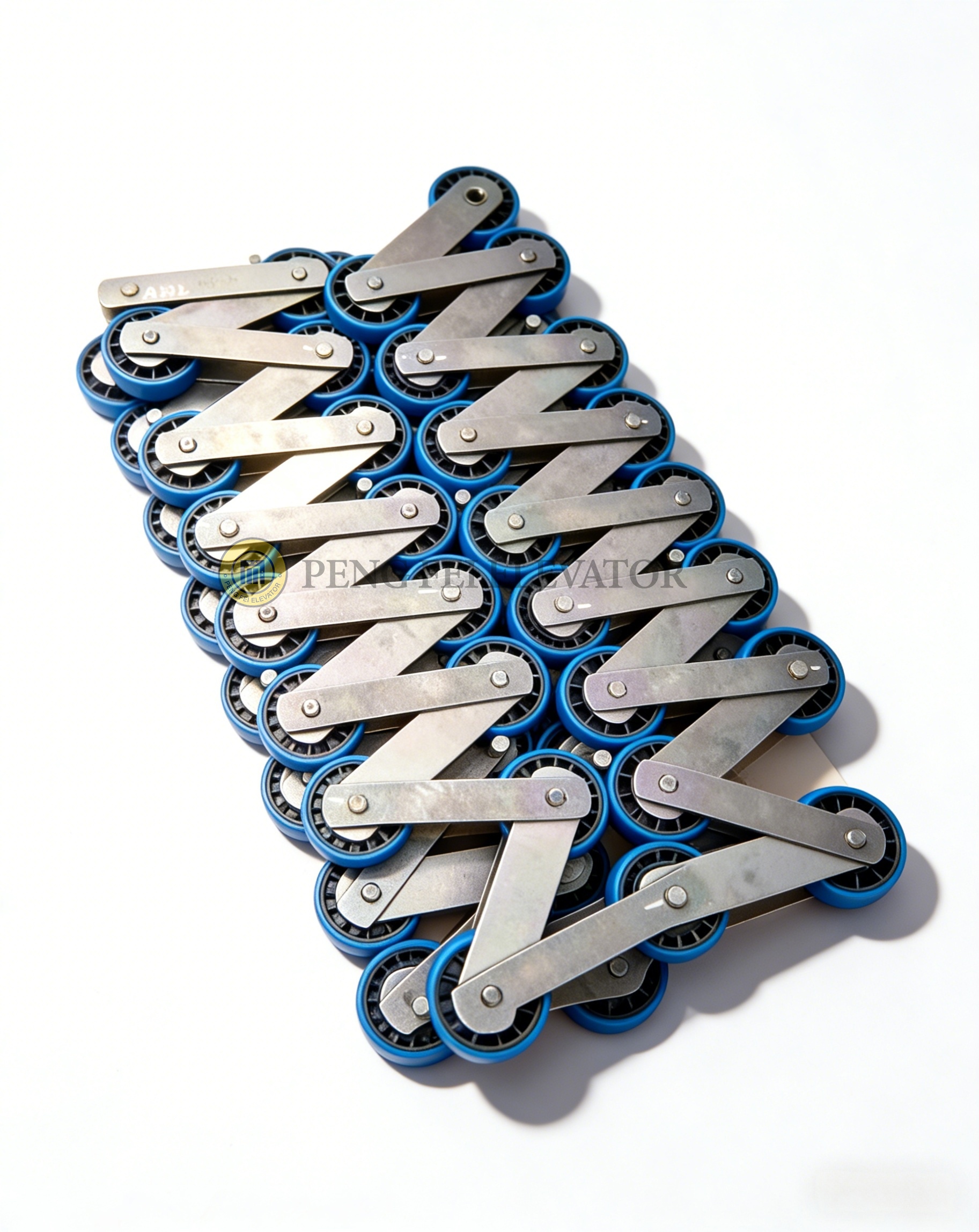
We offer various mechanical replacement parts for escalators and elevators. The products include escalator tooth plates, step frame strips, wear-resistant guide rail strips, step rollers, sprockets, driving rollers, driving friction wheels, driving shafts, gear assemblies, step chains, complete chain components, handrail belts, etc. In addition, we also provide elevator wire rope head assemblies, traction machine shock absorbers, car shock absorbers, sliding guide shoes, hollow guide rails, cast iron guide shoe shoes, traction wheels, guide wheels, buffers, etc. All wear-prone components suitable for electric escalators are compatible with mainstream elevator brands and are applicable for equipment maintenance, renovation projects, and new machine assembly. We offer OEM customization services and can handle large-scale orders as well as small-scale repair orders. Our products are of stable quality and the factory direct sales price has a significant advantage.