Common Elevator Problems and How to Fix Them: A Complete Guide
Elevators are essential systems in modern buildings, but like any mechanical equipment, they can experience problems over time. Understanding common elevator issues and how to fix them can help reduce downtime, improve safety, and lower maintenance costs.
In this guide, we explore the most common elevator problems and provide practical solutions for building owners, maintenance teams, and project managers.
Elevator Not Moving
One of the most serious issues is when the elevator does not move at all.
This problem may be caused by power failure, control system errors, or safety system activation. In some cases, the elevator may stop due to overload protection.
The first step is to check the power supply and ensure that the system is receiving electricity. If the issue persists, it is recommended to contact a professional elevator technician or supplier.
Elevator Doors Not Closing or Opening
Door problems are among the most frequent elevator issues.
This can be caused by sensor malfunction, obstruction, or worn-out door components. Dust and debris in the door tracks may also prevent smooth operation.
Cleaning the sensors and tracks can often solve minor issues. However, if the problem continues, replacing door components may be necessary.
Unusual Noise During Operation
Strange noises such as grinding, squeaking, or vibration may indicate mechanical wear.
Common causes include worn bearings, lack of lubrication, or misaligned components.
Regular maintenance and lubrication can help prevent these issues. Ignoring unusual noises may lead to more serious mechanical problems.
Elevator Moving Slowly
If the elevator operates slower than usual, it may be due to motor issues, control system settings, or increased load.
In some cases, outdated systems may no longer perform efficiently and require upgrades.
A professional inspection can help identify the root cause and recommend the appropriate solution.
Elevator Stops Between Floors
This is a critical issue that can affect safety and user experience.
It may be caused by power interruptions, sensor faults, or control system errors.
Modern elevators are equipped with safety systems to handle such situations, but frequent occurrences should be addressed immediately.
Control System Malfunctions
The control system is responsible for managing elevator operation.
If the system fails, the elevator may behave unpredictably, such as skipping floors or responding slowly to commands.
Upgrading to a modern control system can improve reliability and performance.
Preventive Maintenance Tips
Most elevator problems can be prevented through regular maintenance.
Routine inspections, lubrication of moving parts, and cleaning of components are essential.
Monitoring system performance and addressing minor issues early can prevent major failures.
Working with a reliable elevator parts supplier ensures access to high-quality components for maintenance and repairs.
When to Contact a Professional Supplier
While some minor issues can be handled through basic troubleshooting, complex problems require professional expertise.
A reliable elevator supplier can provide technical support, system upgrades, and replacement parts.
For long-term performance, it is important to work with an experienced elevator manufacturer who understands your system requirements.
Conclusion
Elevator problems are inevitable, but most can be managed with proper knowledge and maintenance.
Understanding common issues and their solutions helps reduce downtime and improve safety.
If you are looking for a professional elevator supplier or need support with maintenance and spare parts, working with a trusted partner ensures reliable and efficient operation.
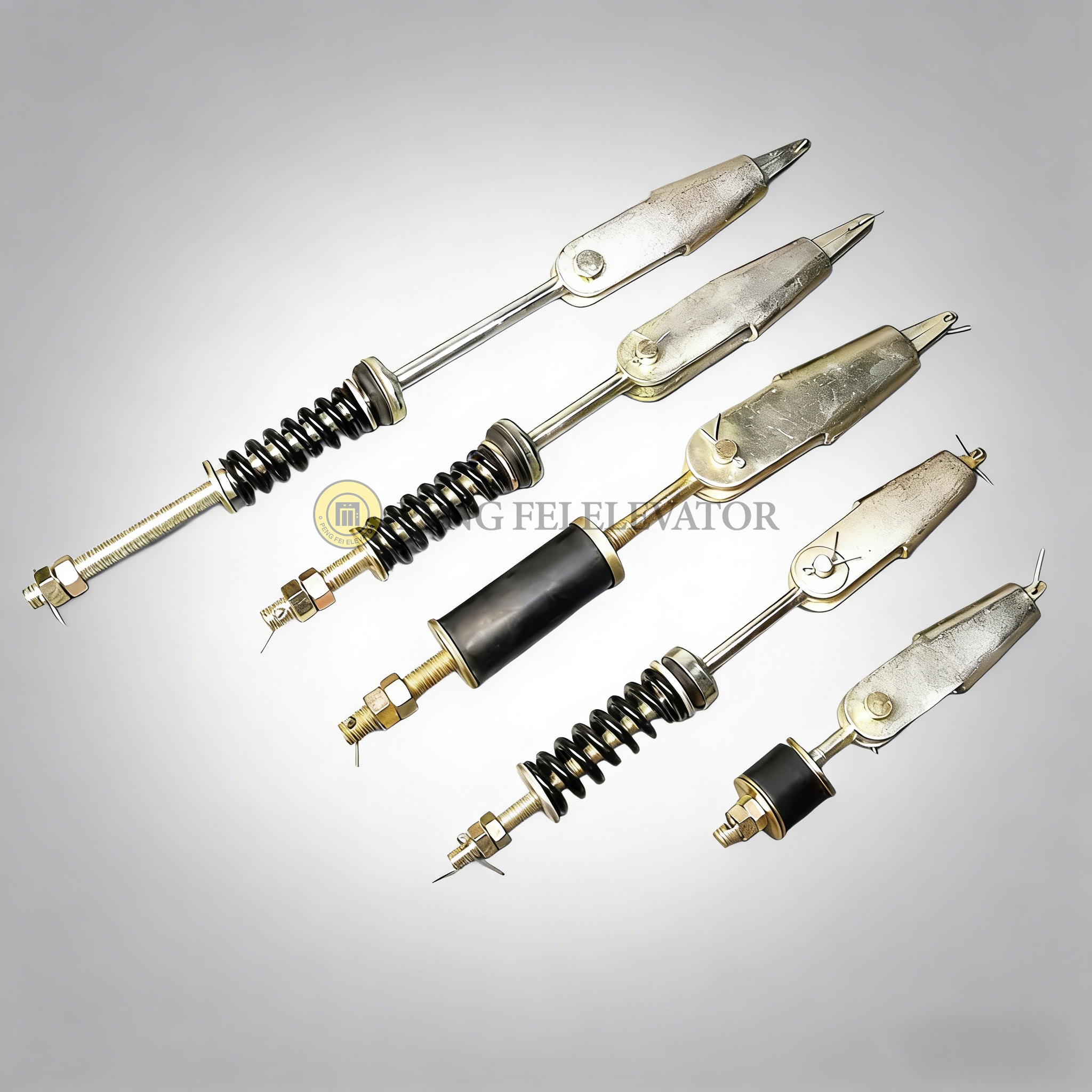
We offer various mechanical replacement parts for escalators and elevators. The products include escalator tooth plates, step frame strips, wear-resistant guide rail strips, step rollers, sprockets, driving rollers, driving friction wheels, driving shafts, gear assemblies, step chains, complete chain components, handrail belts, etc. In addition, we also provide elevator wire rope head assemblies, traction machine shock absorbers, car shock absorbers, sliding guide shoes, hollow guide rails, cast iron guide shoe shoes, traction wheels, guide wheels, buffers, etc. All wear-prone components suitable for electric escalators are compatible with mainstream elevator brands and are applicable for equipment maintenance, renovation projects, and new machine assembly. We offer OEM customization services and can handle large-scale orders as well as small-scale repair orders. Our products are of stable quality and the factory direct sales price has a significant advantage.