Home Elevator: Cost, Types and Complete Buying Guide in 2026
As modern homes become more advanced and comfort-focused, home elevators are becoming increasingly popular. Whether for convenience, accessibility, or luxury, installing a residential elevator can significantly improve quality of life and property value.
For homeowners and builders, understanding the cost, types, and key considerations is essential before making a decision.
What is a Home Elevator?
A home elevator, also known as a residential elevator, is designed for private houses, villas, and small buildings.
Unlike commercial elevators, home elevators are typically smaller, quieter, and more focused on comfort and design.
They are especially useful for elderly users, people with mobility challenges, and multi-story homes.
Types of Home Elevators
There are several types of home elevators available, each with its own advantages.
Hydraulic Home Elevators
These are known for smooth operation and strong lifting capacity. They are suitable for low-rise homes but may require more space.
Traction Home Elevators
These use cables and counterweights, offering better energy efficiency and smoother performance.
MRL Home Elevators
Machine Room Less elevators are ideal for homes with limited space, as they do not require a separate machine room.
Vacuum Elevators
A modern solution that uses air pressure to move the cabin. They are compact, stylish, and easy to install, but usually have lower capacity.
How Much Does a Home Elevator Cost?
The cost of a home elevator in 2026 typically ranges from $15,000 to $60,000, depending on the type, size, and customization.
Basic models are more affordable, while luxury designs with custom interiors and smart features can significantly increase the price.
Installation costs, structural modifications, and shipping should also be considered in the total budget.
Key Factors to Consider Before Buying
Choosing the right home elevator requires careful evaluation.
Space Availability
Check whether your home has enough space for the elevator shaft or if a compact solution is needed.
Number of Floors
The height of the building affects the type of elevator and overall cost.
Load Capacity
Consider how many people will use the elevator and any special requirements.
Design and Aesthetics
Home elevators should match the interior design and style of the house.
Safety Features
Ensure the system includes essential safety components such as emergency stop, backup power, and door sensors.
Benefits of Installing a Home Elevator
Home elevators provide several advantages beyond convenience.
They improve accessibility for elderly and disabled users, making multi-story homes easier to navigate.
They also increase property value and add a luxury element to the home.
In addition, they can make daily tasks such as carrying groceries or heavy items much easier.
Choosing the Right Elevator Supplier
Selecting a reliable elevator supplier is crucial for a successful installation.
A professional elevator manufacturer should offer customized solutions, high-quality components, and strong after-sales support.
Working with an experienced supplier ensures smooth installation and long-term reliability.
Conclusion
Home elevators are a valuable addition to modern homes, offering convenience, accessibility, and increased property value.
Understanding the different types, costs, and key factors helps homeowners make informed decisions.
If you are considering installing a home elevator, working with a trusted supplier will help you find the best solution for your needs.
Contact us today to get a customized home elevator quote.
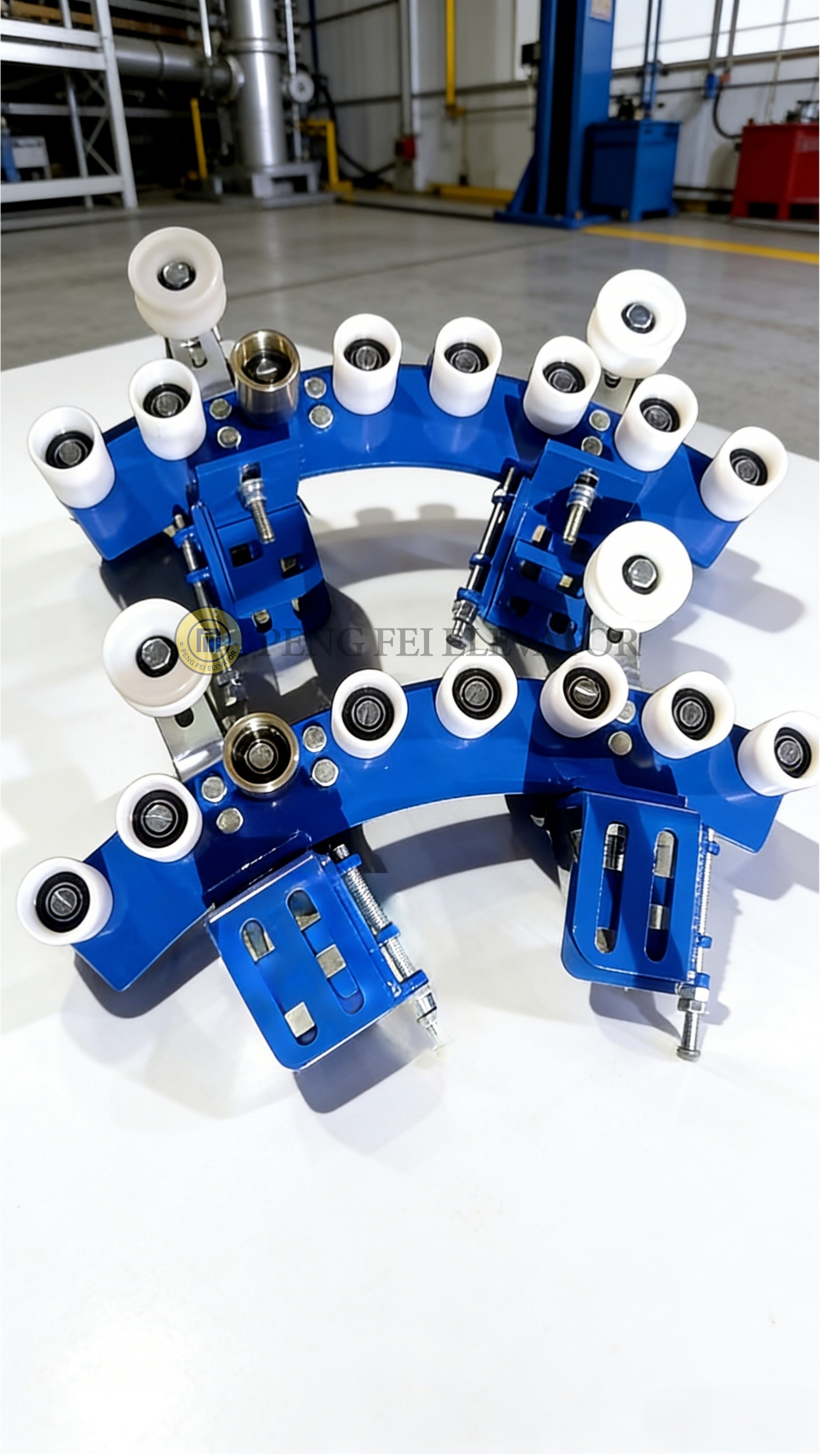
We offer various mechanical replacement parts for escalators and elevators. The products include escalator tooth plates, step frame strips, wear-resistant guide rail strips, step rollers, sprockets, driving rollers, driving friction wheels, driving shafts, gear assemblies, step chains, complete chain components, handrail belts, etc. In addition, we also provide elevator wire rope head assemblies, traction machine shock absorbers, car shock absorbers, sliding guide shoes, hollow guide rails, cast iron guide shoe shoes, traction wheels, guide wheels, buffers, etc. All wear-prone components suitable for electric escalators are compatible with mainstream elevator brands and are applicable for equipment maintenance, renovation projects, and new machine assembly. We offer OEM customization services and can handle large-scale orders as well as small-scale repair orders. Our products are of stable quality and the factory direct sales price has a significant advantage.