Elevator vs Escalator: What’s the Difference and Which One to Choose?
When designing a building or planning vertical transportation, many people ask: should you choose an elevator or an escalator?
While both systems are used to move people between floors, they serve different purposes and are suitable for different environments. Understanding the differences between elevators and escalators can help building owners and developers make better decisions.
What is an Elevator?
An elevator is a vertical transportation system designed to move people or goods between floors using a cabin.
Elevators operate within a shaft and can travel multiple floors quickly and safely. They are commonly used in residential buildings, offices, hotels, and industrial facilities.
Elevators are essential for accessibility, especially for elderly individuals and people with disabilities.
What is an Escalator?
An escalator is a moving staircase designed to transport people continuously between floors.
Unlike elevators, escalators do not stop and are ideal for areas with high foot traffic, such as shopping malls, airports, and subway stations.
They allow a constant flow of people and are particularly effective in public spaces.
Key Differences Between Elevators and Escalators
The main differences between elevators and escalators lie in their function, capacity, and usage.
Movement Type
Elevators move vertically in a closed cabin, while escalators provide continuous movement through steps.
Capacity
Escalators can handle a higher number of people per hour due to continuous flow, while elevators operate in cycles.
Accessibility
Elevators are more suitable for people with mobility challenges, wheelchairs, and heavy goods.
Space Requirements
Elevators require a shaft and mechanical systems, while escalators require more open floor space.
Advantages of Elevators
Elevators offer several key benefits.
They provide full accessibility and can transport both people and goods.
They are suitable for all types of buildings, including high-rise structures.
Modern elevators are energy-efficient and equipped with advanced safety features.
Advantages of Escalators
Escalators are ideal for high-traffic environments.
They allow continuous movement, reducing waiting time.
They are easy to use and require minimal user interaction.
Escalators are particularly effective in commercial spaces where large numbers of people need to move quickly.
When Should You Choose an Elevator?
Elevators are the best choice for buildings that require accessibility, vertical travel across multiple floors, or transportation of goods.
They are essential in residential buildings, office towers, hospitals, and industrial facilities.
If your project involves height, heavy loads, or accessibility requirements, an elevator is necessary.
When Should You Choose an Escalator?
Escalators are ideal for public and commercial spaces with heavy foot traffic.
Shopping malls, airports, and metro stations benefit from escalators due to their ability to handle large crowds efficiently.
However, escalators are usually used together with elevators rather than as a complete replacement.
Choosing the Right Supplier
Whether you need elevators or escalators, choosing a reliable supplier is essential.
A professional elevator supplier can provide customized solutions based on your building type and traffic requirements.
Working with an experienced manufacturer ensures quality, safety, and long-term performance.
Conclusion
Elevators and escalators serve different purposes but are both essential in modern building design.
Understanding their differences helps you choose the right solution for your project.
If you are planning a building project and need professional advice, working with a trusted supplier will help you select the most suitable system.
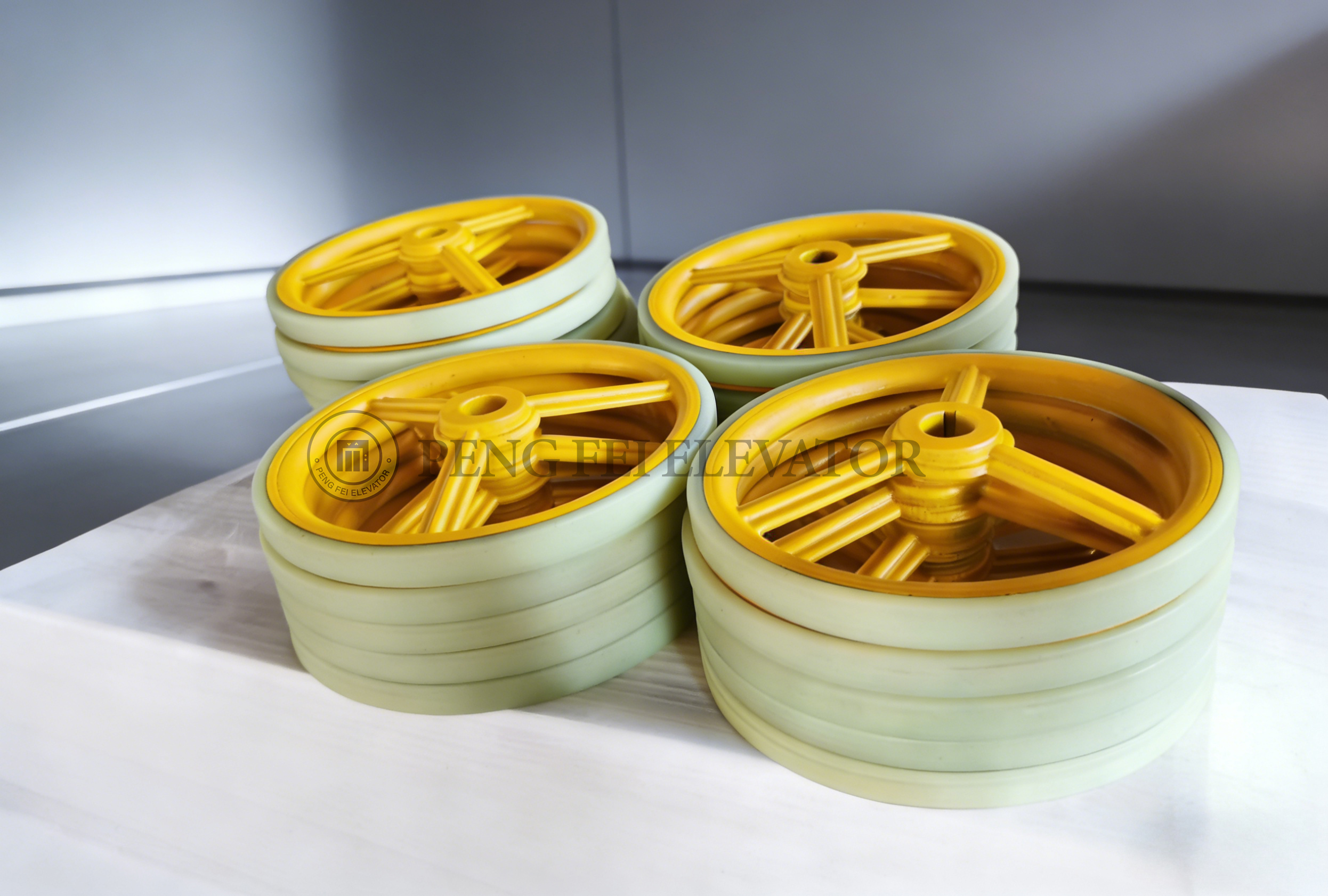
We offer various mechanical replacement parts for escalators and elevators. The products include escalator tooth plates, step frame strips, wear-resistant guide rail strips, step rollers, sprockets, driving rollers, driving friction wheels, driving shafts, gear assemblies, step chains, complete chain components, handrail belts, etc. In addition, we also provide elevator wire rope head assemblies, traction machine shock absorbers, car shock absorbers, sliding guide shoes, hollow guide rails, cast iron guide shoe shoes, traction wheels, guide wheels, buffers, etc. All wear-prone components suitable for electric escalators are compatible with mainstream elevator brands and are applicable for equipment maintenance, renovation projects, and new machine assembly. We offer OEM customization services and can handle large-scale orders as well as small-scale repair orders. Our products are of stable quality and the factory direct sales price has a significant advantage.