Where Are Elevators Used? Common Applications in Modern Buildings
Elevators are widely used in modern society and have become an essential part of urban infrastructure. From residential homes to large industrial facilities, elevators provide safe and efficient vertical transportation for people and goods.
Understanding where elevators are used helps architects, developers, and buyers choose the right system for different projects.
Residential Buildings
Elevators are commonly installed in apartment buildings, villas, and multi-story homes.
In residential settings, elevators improve accessibility for elderly residents and people with mobility challenges. They also enhance convenience by making it easier to move between floors.
Home elevators are becoming increasingly popular in modern housing due to rising demand for comfort and accessibility.
Commercial Buildings
Commercial buildings such as office towers, shopping malls, and hotels rely heavily on elevator systems.
These environments require high-capacity and high-speed elevators to handle large volumes of people during peak hours.
Efficient elevator systems improve traffic flow and reduce waiting times, which is essential for customer experience and building performance.
Industrial Facilities
In factories, warehouses, and logistics centers, freight elevators are commonly used to transport goods and equipment.
These elevators are designed for heavy loads and frequent use, making them essential for improving operational efficiency.
Industrial elevators often have reinforced structures and larger cabins to accommodate pallets, machinery, and materials.
Public Infrastructure
Elevators are also widely used in public spaces such as airports, subway stations, hospitals, and government buildings.
In these environments, elevators play a critical role in accessibility and crowd management.
High reliability and safety are essential in public infrastructure due to continuous usage and large passenger flow.
High-Rise Buildings
Skyscrapers and tall buildings require advanced elevator systems to ensure fast and efficient vertical transportation.
These buildings often use multiple elevator systems with intelligent control systems to manage traffic.
High-speed traction elevators are commonly used in high-rise projects to reduce travel time between floors.
Special Applications
Some elevators are designed for specific environments such as panoramic elevators, marine elevators, or explosion-proof industrial elevators.
These specialized systems are customized based on unique project requirements and operating conditions.
Choosing the Right Elevator for Each Application
Different applications require different elevator types.
Residential buildings typically use home or MRL elevators, while commercial buildings require high-speed traction systems.
Industrial environments often need freight elevators with high load capacity.
Working with a professional elevator supplier ensures that the right system is selected for each application.
Conclusion
Elevators are used in a wide range of environments, each with specific requirements and challenges.
From residential homes to industrial facilities, choosing the right elevator system is essential for safety, efficiency, and performance.
If you are planning a project and need a reliable elevator solution, working with an experienced supplier will help you select the best system for your application.
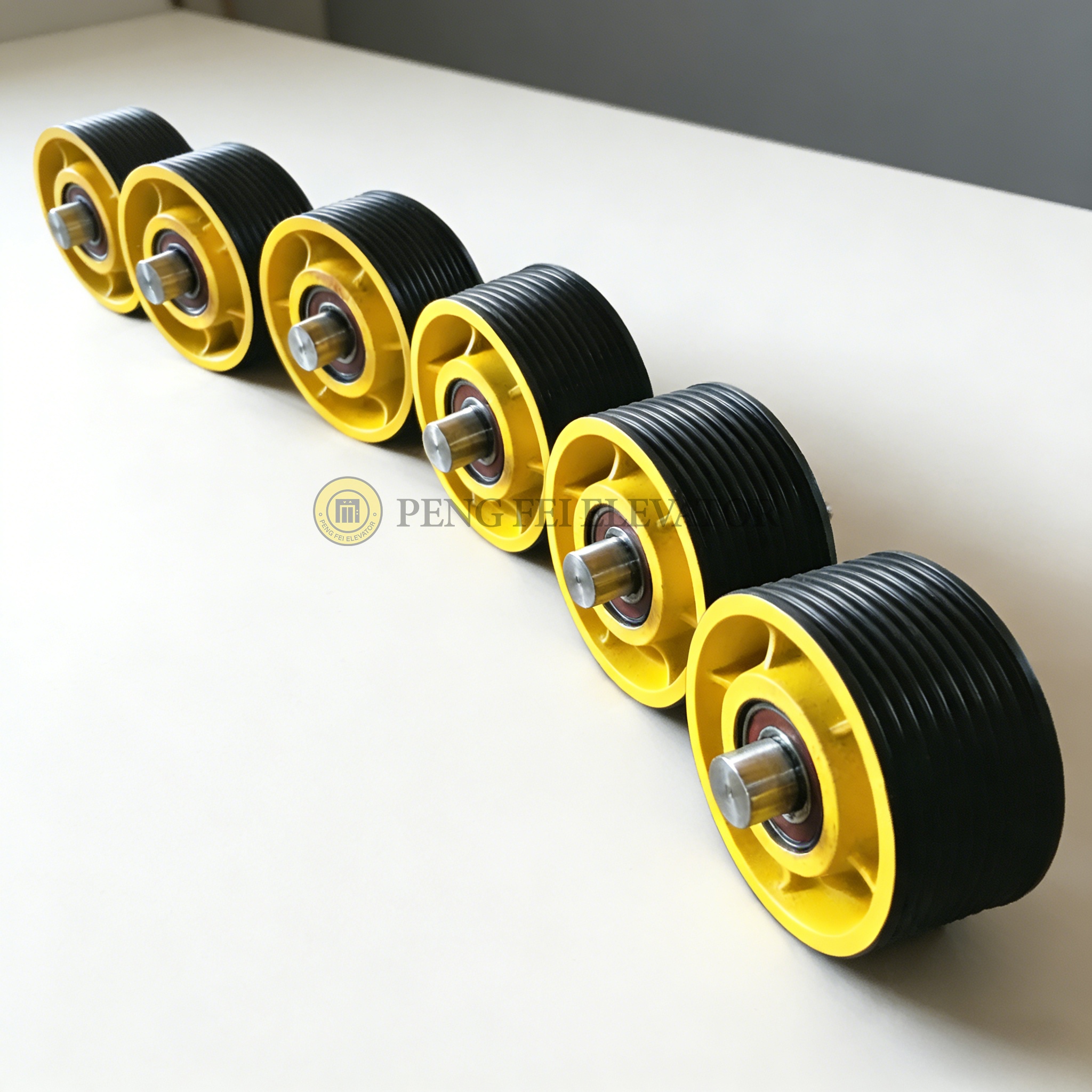
We offer various mechanical replacement parts for escalators and elevators. The products include escalator tooth plates, step frame strips, wear-resistant guide rail strips, step rollers, sprockets, driving rollers, driving friction wheels, driving shafts, gear assemblies, step chains, complete chain components, handrail belts, etc. In addition, we also provide elevator wire rope head assemblies, traction machine shock absorbers, car shock absorbers, sliding guide shoes, hollow guide rails, cast iron guide shoe shoes, traction wheels, guide wheels, buffers, etc. All wear-prone components suitable for electric escalators are compatible with mainstream elevator brands and are applicable for equipment maintenance, renovation projects, and new machine assembly. We offer OEM customization services and can handle large-scale orders as well as small-scale repair orders. Our products are of stable quality and the factory direct sales price has a significant advantage.