Elevator Safety Features: How Modern Elevators Protect Passengers
Elevator safety is one of the most important aspects of any elevator system. Modern elevators are designed with multiple safety technologies to protect passengers, prevent accidents, and ensure reliable operation.
As elevator technology continues to improve, safety systems have become more advanced and intelligent. Today’s elevators are equipped with automatic protection features that help maintain safe operation even during unexpected situations.
For building owners, developers, and facility managers, understanding elevator safety features is essential for choosing the right system and maintaining long-term reliability.
Why Elevator Safety Matters
Elevators transport millions of people every day in residential, commercial, and public buildings.
Because elevators operate continuously and carry passengers vertically, even small technical issues can create serious safety risks if not properly managed.
Modern safety systems help reduce accidents, improve passenger confidence, and ensure compliance with international safety standards.
Emergency Braking System
One of the most important elevator safety features is the emergency braking system.
If the elevator moves too quickly or loses control, the safety brake automatically activates to stop the cabin safely.
This system works together with the speed governor to monitor elevator speed continuously.
Emergency braking systems are designed to prevent free fall and ensure passenger protection.
Door Safety Sensors
Elevator door sensors help prevent passengers from being injured by closing doors.
Modern elevators use infrared or light curtain sensors to detect people or objects near the doorway.
If an obstruction is detected, the doors automatically reopen.
This technology improves safety and reduces door-related accidents.
Overload Protection System
Elevators are designed with specific weight limits.
The overload protection system detects when the cabin exceeds its maximum capacity.
When overload occurs, the elevator will not operate until the excess weight is removed.
This feature protects both passengers and elevator components from damage.
Automatic Rescue Device (ARD)
Power failures can cause elevators to stop between floors.
An Automatic Rescue Device uses backup power to move the elevator cabin to the nearest floor and open the doors safely.
This feature helps prevent passengers from becoming trapped during electrical outages.
ARD systems are now widely used in modern elevators.
Emergency Communication System
Modern elevators are equipped with emergency communication systems such as alarm buttons and intercom devices.
Passengers can quickly contact building management or emergency personnel if assistance is needed.
Some advanced systems also include remote monitoring and smart emergency alerts.
Fire and Earthquake Protection Features
In many buildings, elevators are integrated with fire alarm and earthquake detection systems.
During emergencies, elevators automatically move to a safe floor and stop operation to protect passengers.
These systems are especially important in high-rise and public buildings.
Importance of Regular Maintenance
Even the best safety systems require regular inspection and maintenance.
Routine servicing helps ensure that brakes, sensors, communication systems, and emergency devices function correctly.
Working with a professional elevator maintenance provider helps maintain long-term safety and system reliability.
Choosing a Reliable Elevator Supplier
A trusted elevator supplier provides systems that meet international safety standards and include advanced safety technologies.
Professional manufacturers also offer technical support, maintenance guidance, and spare parts services.
Choosing an experienced supplier is essential for ensuring safe and reliable elevator operation.
Conclusion
Modern elevators are equipped with advanced safety features designed to protect passengers and improve operational reliability.
From emergency brakes to automatic rescue systems, these technologies play a critical role in safe building transportation.
If you are looking for safe and reliable elevator solutions, working with a professional elevator supplier will help ensure the highest safety standards for your project.
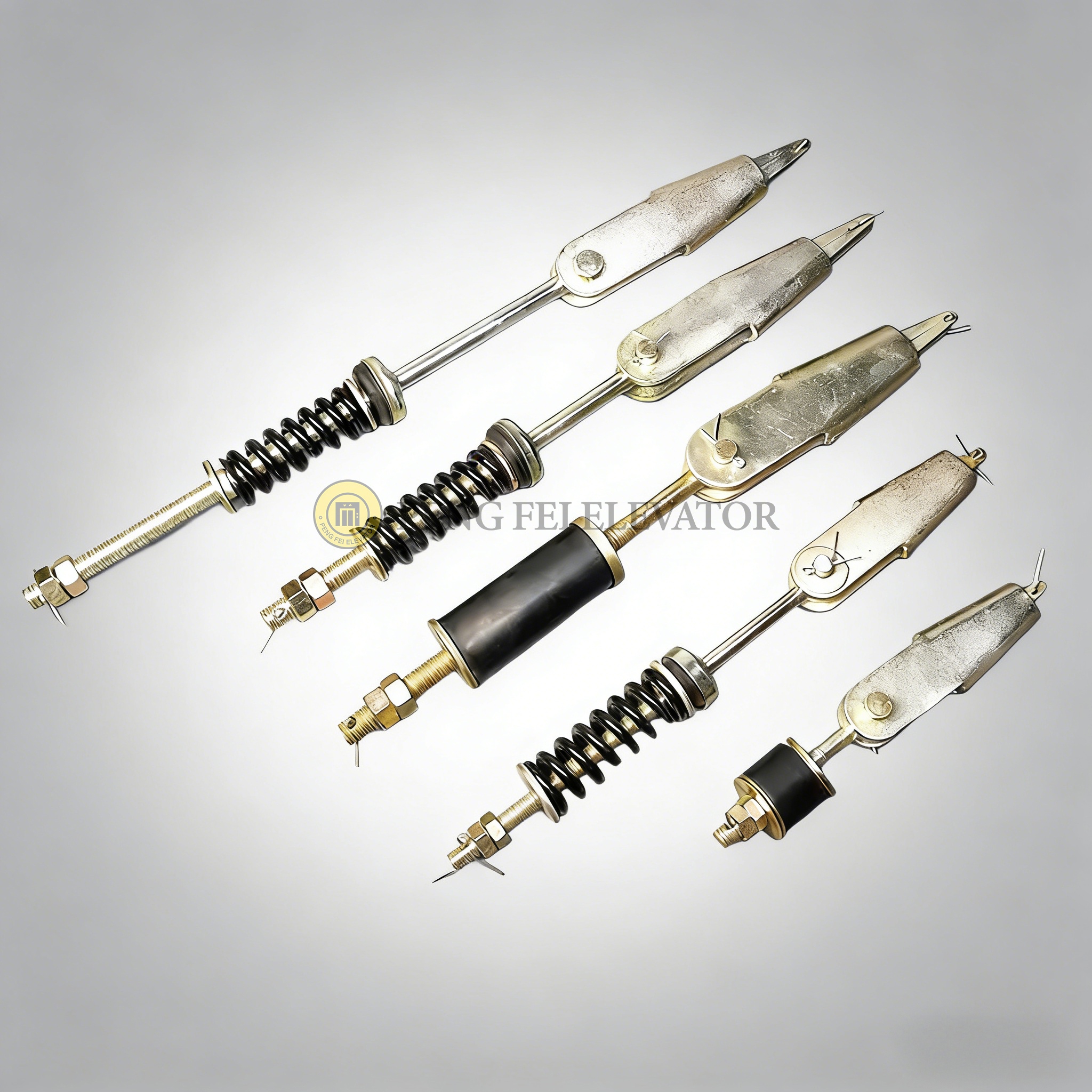
We offer various mechanical replacement parts for escalators and elevators. The products include escalator tooth plates, step frame strips, wear-resistant guide rail strips, step rollers, sprockets, driving rollers, driving friction wheels, driving shafts, gear assemblies, step chains, complete chain components, handrail belts, etc. In addition, we also provide elevator wire rope head assemblies, traction machine shock absorbers, car shock absorbers, sliding guide shoes, hollow guide rails, cast iron guide shoe shoes, traction wheels, guide wheels, buffers, etc. All wear-prone components suitable for electric escalators are compatible with mainstream elevator brands and are applicable for equipment maintenance, renovation projects, and new machine assembly. We offer OEM customization services and can handle large-scale orders as well as small-scale repair orders. Our products are of stable quality and the factory direct sales price has a significant advantage.