Freight Elevator: Features and Industrial Applications
Freight elevators are essential equipment in industrial and commercial buildings where heavy goods and materials need to be transported safely and efficiently.
Unlike passenger elevators, freight elevators are specifically designed for high load capacity, durability, and continuous operation. They play an important role in warehouses, factories, shopping centers, and logistics facilities.
For building owners and industrial project managers, understanding freight elevator systems helps improve operational efficiency and workplace safety.
What is a Freight Elevator?
A freight elevator is a heavy-duty elevator designed primarily for transporting goods rather than passengers.
These elevators are built with reinforced structures, powerful lifting systems, and durable components to handle heavy loads and frequent use.
Freight elevators are commonly used in industrial environments where material transportation is part of daily operations.
Key Features of Freight Elevators
Freight elevators include several important features that distinguish them from standard passenger elevators.
High Load Capacity
Freight elevators can carry heavy equipment, pallets, machinery, and large quantities of goods.
Durable Structure
Reinforced cabins and heavy-duty components improve durability in demanding environments.
Wide Door Openings
Large door openings allow forklifts, carts, and large materials to move easily in and out of the cabin.
Stable Operation
Freight elevators are designed for smooth transportation of heavy loads.
Industrial Safety Systems
Advanced safety devices help ensure safe operation during heavy-duty use.
Common Applications of Freight Elevators
Freight elevators are widely used across different industries.
Warehouses and Logistics Centers
Used for transporting pallets, inventory, and cargo between floors.
Factories and Industrial Plants
Help move machinery, raw materials, and production equipment.
Shopping Centers and Supermarkets
Support transportation of goods and supplies for retail operations.
Hotels and Restaurants
Service elevators are commonly used for food delivery, laundry, and supplies.
Hospitals
Freight and service elevators transport medical equipment and supplies efficiently.
Types of Freight Elevators
Several types of freight elevators are available depending on project requirements.
Hydraulic freight elevators are commonly used for low-rise industrial buildings because of their strong lifting capacity.
Traction freight elevators are suitable for taller buildings and higher operating speeds.
Machine Room Less freight elevators are also becoming more popular in space-saving projects.
Important Factors When Choosing a Freight Elevator
Selecting the right freight elevator depends on several factors.
Load Capacity
The system must support the maximum expected weight safely.
Cabin Size
Cabin dimensions should match the type of goods being transported.
Building Height
Different elevator systems are suitable for different building heights.
Usage Frequency
High-traffic industrial environments require more durable systems.
Safety Requirements
Industrial projects often require advanced safety and emergency features.
Benefits of Modern Freight Elevators
Modern freight elevators improve productivity and operational efficiency.
Advanced control systems reduce waiting time and optimize transportation flow.
Energy-efficient motors help lower operating costs.
Modern safety technologies also improve workplace safety and reduce operational risks.
Choosing a Reliable Freight Elevator Supplier
Working with an experienced elevator supplier is essential for industrial projects.
A professional manufacturer can provide customized freight elevator solutions based on load requirements and building conditions.
Reliable after-sales support and spare parts supply are also critical for long-term operation.
Conclusion
Freight elevators are essential for safe and efficient goods transportation in industrial and commercial environments.
Their heavy-duty design, large load capacity, and durable components make them ideal for demanding applications.
If you are planning an industrial or logistics project and need a reliable freight elevator solution, contact us today for professional support and customized recommendations.
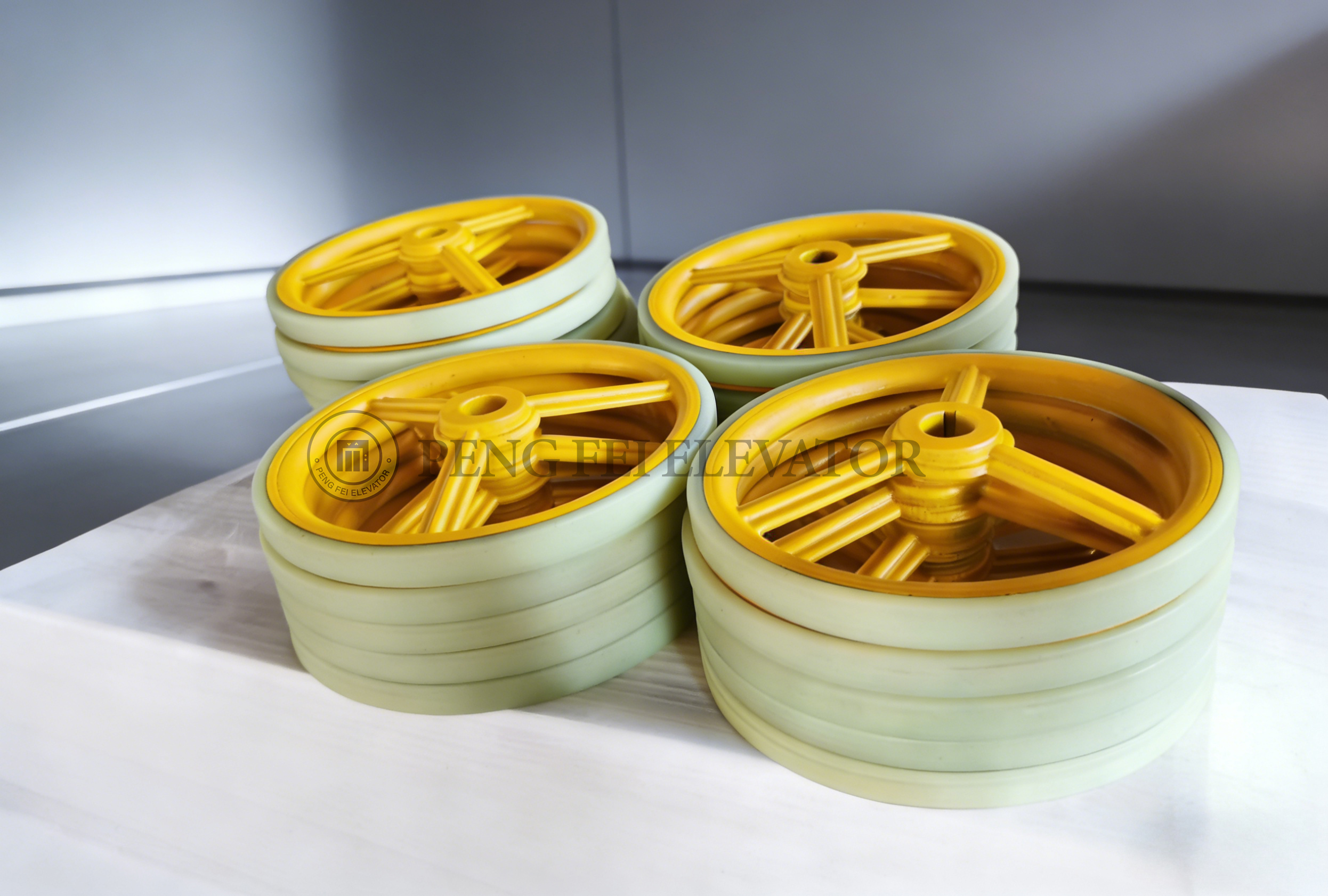
We offer various mechanical replacement parts for escalators and elevators. The products include escalator tooth plates, step frame strips, wear-resistant guide rail strips, step rollers, sprockets, driving rollers, driving friction wheels, driving shafts, gear assemblies, step chains, complete chain components, handrail belts, etc. In addition, we also provide elevator wire rope head assemblies, traction machine shock absorbers, car shock absorbers, sliding guide shoes, hollow guide rails, cast iron guide shoe shoes, traction wheels, guide wheels, buffers, etc. All wear-prone components suitable for electric escalators are compatible with mainstream elevator brands and are applicable for equipment maintenance, renovation projects, and new machine assembly. We offer OEM customization services and can handle large-scale orders as well as small-scale repair orders. Our products are of stable quality and the factory direct sales price has a significant advantage.