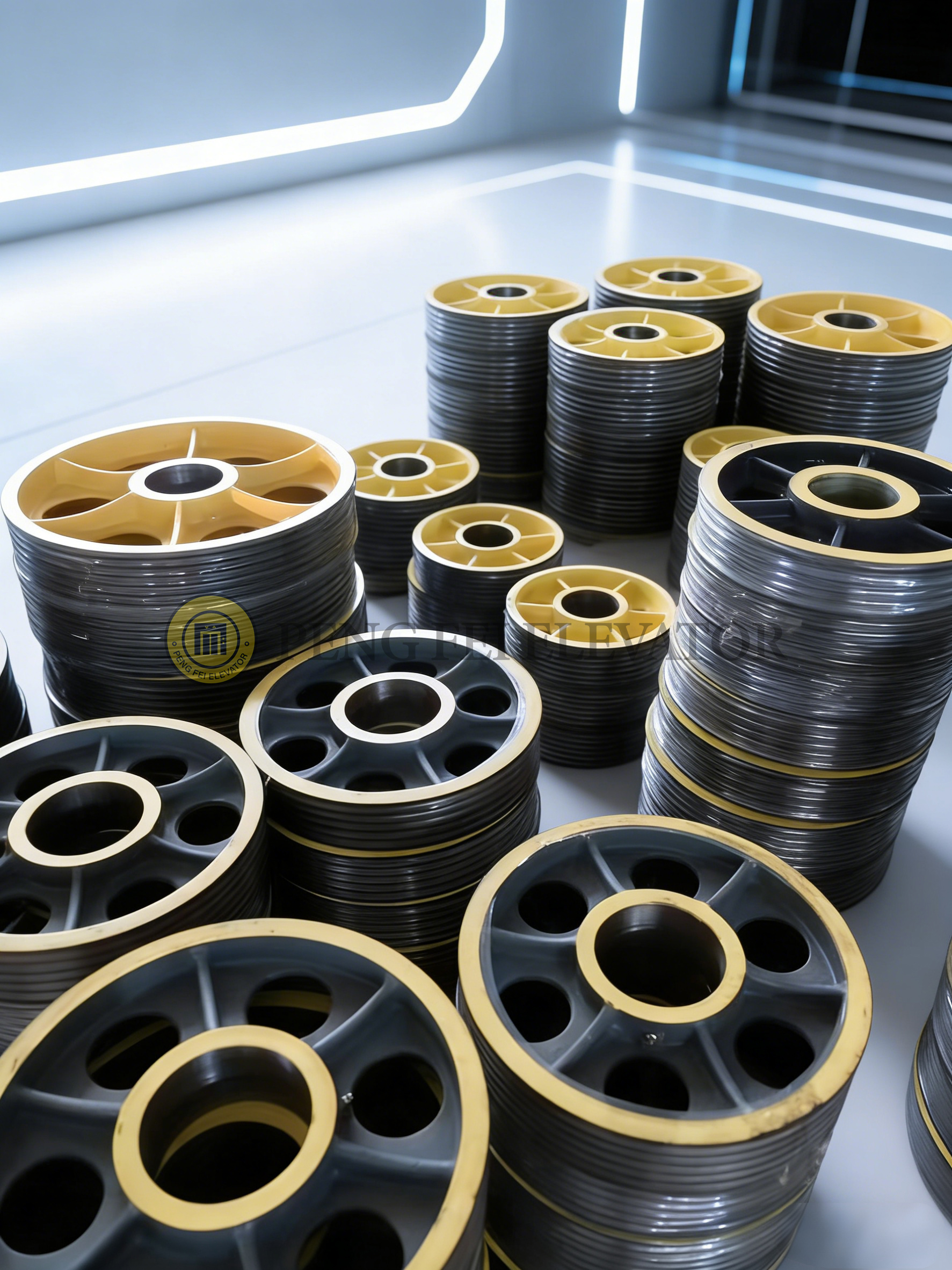
Elevator Installation Process: Step-by-Step Guide for New Projects
Installing an elevator is a critical stage in any construction project. A properly installed elevator ensures safety, efficiency, and long-term reliability. Whether the project involves a residential building, commercial tower, hotel, or industrial facility, understanding the installation process helps developers and contractors prepare more effectively.
A successful elevator installation requires careful planning, professional engineering, and strict compliance with safety standards.
Step 1: Project Planning and Site Evaluation
The installation process begins with project planning and site assessment.
Engineers evaluate building height, traffic requirements, load capacity, shaft dimensions, and local regulations. During this stage, the elevator type is selected based on the building’s needs.
Proper planning helps avoid design conflicts and installation delays later in the project.
Step 2: Elevator Shaft Preparation
Before installation can begin, the elevator shaft must be completed according to approved technical drawings.
The shaft should meet all dimensional requirements, including width, depth, pit size, and overhead clearance.
Accurate shaft construction is essential because even small deviations can affect elevator performance and safety.
Step 3: Delivery of Elevator Components
Once the construction site is ready, elevator components are delivered to the project location.
Major components typically include:
Guide rails
Elevator cabin
Counterweight system
Traction machine
Control cabinet
Door systems
Safety devices
Proper storage and handling help protect equipment from damage before installation.
Step 4: Guide Rail Installation
Guide rails are installed inside the shaft to ensure stable vertical movement of the elevator cabin and counterweight.
Precise alignment is extremely important because guide rails directly affect ride quality, safety, and operational performance.
Professional installation teams use specialized tools to achieve accurate positioning.
Step 5: Mechanical and Electrical Installation
At this stage, technicians install the traction machine, motor, control system, wiring, and door mechanisms.
Electrical connections are carefully tested to ensure proper communication between all elevator components.
Modern elevator systems often include advanced controllers, energy-saving technology, and smart monitoring functions.
Step 6: Cabin and Door Installation
The elevator cabin is assembled and installed inside the shaft.
Door systems are then fitted and adjusted to ensure smooth opening and closing.
Proper door alignment is essential because door-related issues are among the most common causes of elevator service calls.
Step 7: System Testing and Commissioning
Before the elevator enters service, comprehensive testing is performed.
Technicians inspect safety systems, emergency brakes, door sensors, overload protection, and travel performance.
Load tests are also conducted to verify that the elevator operates safely under rated capacity.
Any issues identified during testing are corrected before final approval.
Step 8: Final Inspection and Handover
After testing is completed, the elevator undergoes final inspection according to local regulations and safety standards.
Once approved, the system is handed over to the building owner or management team.
Training may also be provided to help staff understand basic operation and maintenance procedures.
Importance of Working with an Experienced Elevator Supplier
Professional elevator manufacturers provide technical support throughout the installation process.
From engineering design to commissioning, experienced suppliers help ensure compliance, safety, and project efficiency.
Reliable after-sales support is equally important for long-term operation and maintenance.
Conclusion
The elevator installation process involves careful planning, precise engineering, and thorough testing.
Each stage plays an important role in ensuring safe and reliable elevator operation for years to come.
If you are planning a new construction project and need professional elevator installation support, contact us today for customized solutions and expert guidance.
We offer various mechanical replacement parts for escalators and elevators. The products include escalator tooth plates, step frame strips, wear-resistant guide rail strips, step rollers, sprockets, driving rollers, driving friction wheels, driving shafts, gear assemblies, step chains, complete chain components, handrail belts, etc. In addition, we also provide elevator wire rope head assemblies, traction machine shock absorbers, car shock absorbers, sliding guide shoes, hollow guide rails, cast iron guide shoe shoes, traction wheels, guide wheels, buffers, etc. All wear-prone components suitable for electric escalators are compatible with mainstream elevator brands and are applicable for equipment maintenance, renovation projects, and new machine assembly. We offer OEM customization services and can handle large-scale orders as well as small-scale repair orders. Our products are of stable quality and the factory direct sales price has a significant advantage.