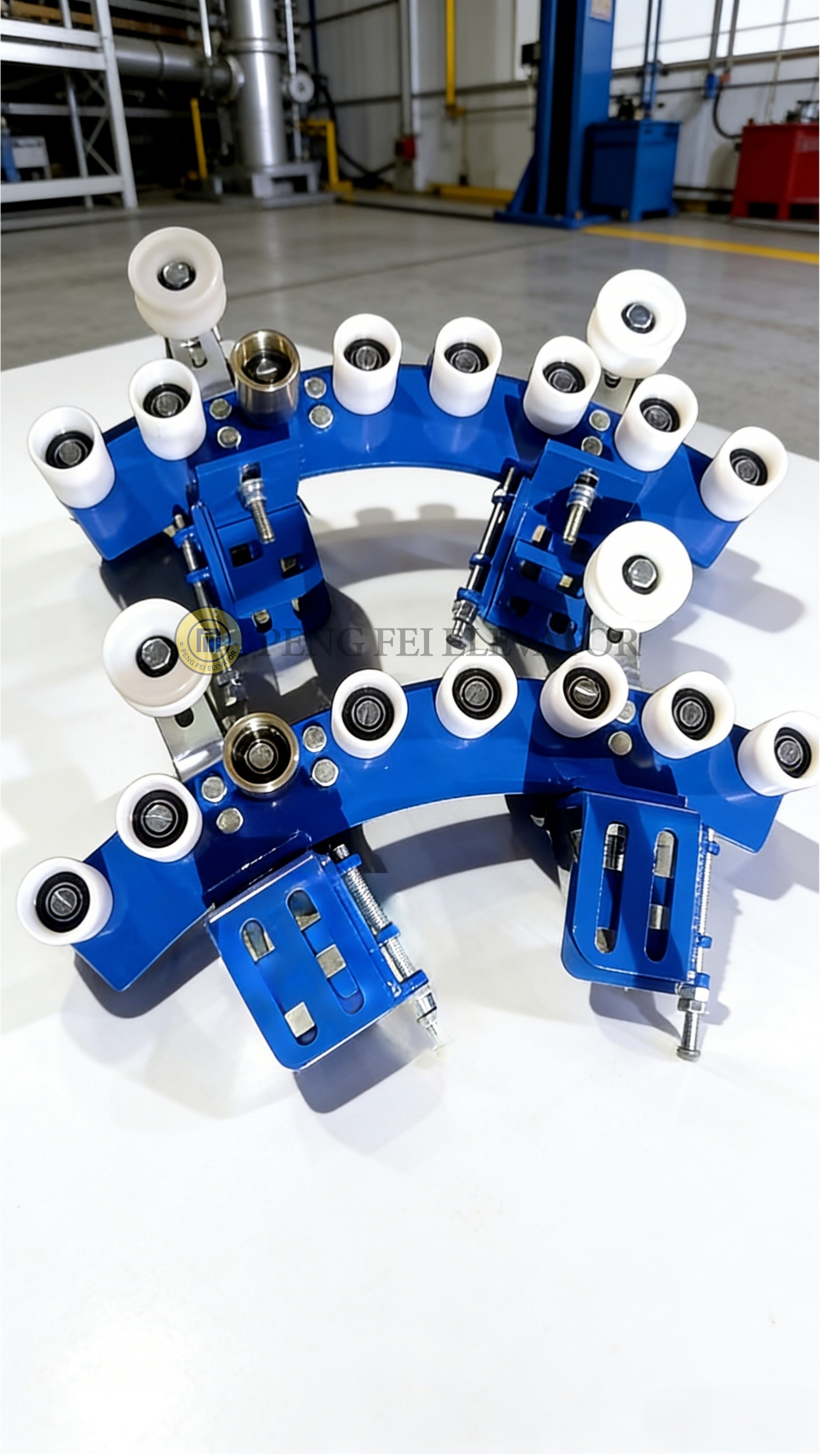
Elevator Modernization: When and Why You Should Upgrade Your Elevator
Elevators are designed to operate for decades, but even the most reliable systems eventually become outdated. As technology advances and building requirements change, older elevators may struggle to meet modern standards for safety, efficiency, and passenger comfort.
Rather than replacing the entire system, many building owners choose elevator modernization as a cost-effective solution. Modernization upgrades critical components while extending the elevator's service life and improving overall performance.
For commercial buildings, residential complexes, hotels, and public facilities, elevator modernization has become an increasingly important investment.
What Is Elevator Modernization?
Elevator modernization is the process of upgrading existing elevator equipment without completely replacing the entire system.
The scope of modernization can vary depending on the condition of the elevator and the goals of the building owner.
Common modernization projects include upgrading control systems, door operators, motors, safety devices, and cabin interiors.
The objective is to improve performance, reliability, and compliance with current standards.
Signs Your Elevator Needs Modernization
Several warning signs indicate that modernization may be necessary.
Frequent Breakdowns
Repeated service interruptions often suggest aging components and declining reliability.
Long Waiting Times
Older control systems may struggle to efficiently manage passenger traffic.
High Maintenance Costs
Repair expenses often increase as equipment ages.
Outdated Safety Features
Older elevators may not meet modern safety expectations or regulations.
Poor Ride Quality
Excessive vibration, noise, or inaccurate floor leveling can affect passenger experience.
Key Components Commonly Upgraded
Modernization projects typically focus on the most critical elevator components.
Control Systems
New controllers improve efficiency, reliability, and traffic management.
Drive Systems
Modern motors and drives reduce energy consumption and improve performance.
Door Operators
Upgraded door systems improve safety and reduce service issues.
Safety Devices
Emergency brakes, sensors, and rescue systems can be updated to current standards.
Cabin Interiors
New lighting, control panels, and finishes improve appearance and passenger comfort.
Benefits of Elevator Modernization
Modernization offers several advantages for building owners.
Improved Safety
New safety technologies help reduce operational risks.
Better Reliability
Upgraded components decrease downtime and unexpected failures.
Enhanced Energy Efficiency
Modern drives and controllers help reduce electricity consumption.
Improved Passenger Experience
Smoother operation and faster response times increase user satisfaction.
Extended Equipment Lifespan
Modernization can significantly extend the service life of an elevator system.
Modernization vs Full Replacement
Many building owners wonder whether modernization or complete replacement is the better option.
In most cases, modernization is less expensive and causes less disruption than replacing the entire elevator.
However, if the equipment is severely outdated or structurally damaged, full replacement may be necessary.
A professional elevator assessment can determine the most cost-effective solution.
How to Plan an Elevator Modernization Project
Successful modernization begins with a detailed evaluation of the existing system.
Building owners should work closely with experienced elevator manufacturers and service providers to identify priorities and establish a realistic budget.
Proper planning helps minimize downtime and ensures the upgrade delivers long-term value.
Choosing the Right Modernization Partner
An experienced elevator supplier can provide technical assessments, upgrade recommendations, and installation support.
Choosing a company with strong modernization experience ensures compatibility between new and existing components while maintaining safety and performance standards.
Reliable after-sales service is also essential for long-term success.
Conclusion
Elevator modernization is an effective way to improve safety, reliability, efficiency, and passenger comfort without the cost of a full replacement.
By upgrading critical systems, building owners can extend elevator lifespan and reduce long-term operating expenses.
If your elevator is showing signs of aging or performance issues, contact us today to discuss customized modernization solutions for your building.
We offer various mechanical replacement parts for escalators and elevators. The products include escalator tooth plates, step frame strips, wear-resistant guide rail strips, step rollers, sprockets, driving rollers, driving friction wheels, driving shafts, gear assemblies, step chains, complete chain components, handrail belts, etc. In addition, we also provide elevator wire rope head assemblies, traction machine shock absorbers, car shock absorbers, sliding guide shoes, hollow guide rails, cast iron guide shoe shoes, traction wheels, guide wheels, buffers, etc. All wear-prone components suitable for electric escalators are compatible with mainstream elevator brands and are applicable for equipment maintenance, renovation projects, and new machine assembly. We offer OEM customization services and can handle large-scale orders as well as small-scale repair orders. Our products are of stable quality and the factory direct sales price has a significant advantage.