Elevator Door System: Components and Maintenance Guide
The elevator door system is one of the most frequently operated systems in an elevator. It controls the opening and closing of the elevator entrance and works through multiple mechanical and electrical components.
For elevator manufacturers, maintenance companies, distributors, and spare parts buyers, understanding the main components of an elevator door system can make maintenance, troubleshooting, and parts selection more efficient.
What Is an Elevator Door System?
An elevator door system consists of multiple components that work together to control the movement and locking of elevator doors.
Depending on the elevator design, the system may include door panels, door hangers, rollers, guide components, door locks, and other mechanical or electrical parts.
Each component has a specific function, but the overall performance depends on how these parts work together.
For this reason, a problem with one component can sometimes affect the operation of the entire door system.
Main Components of an Elevator Door System
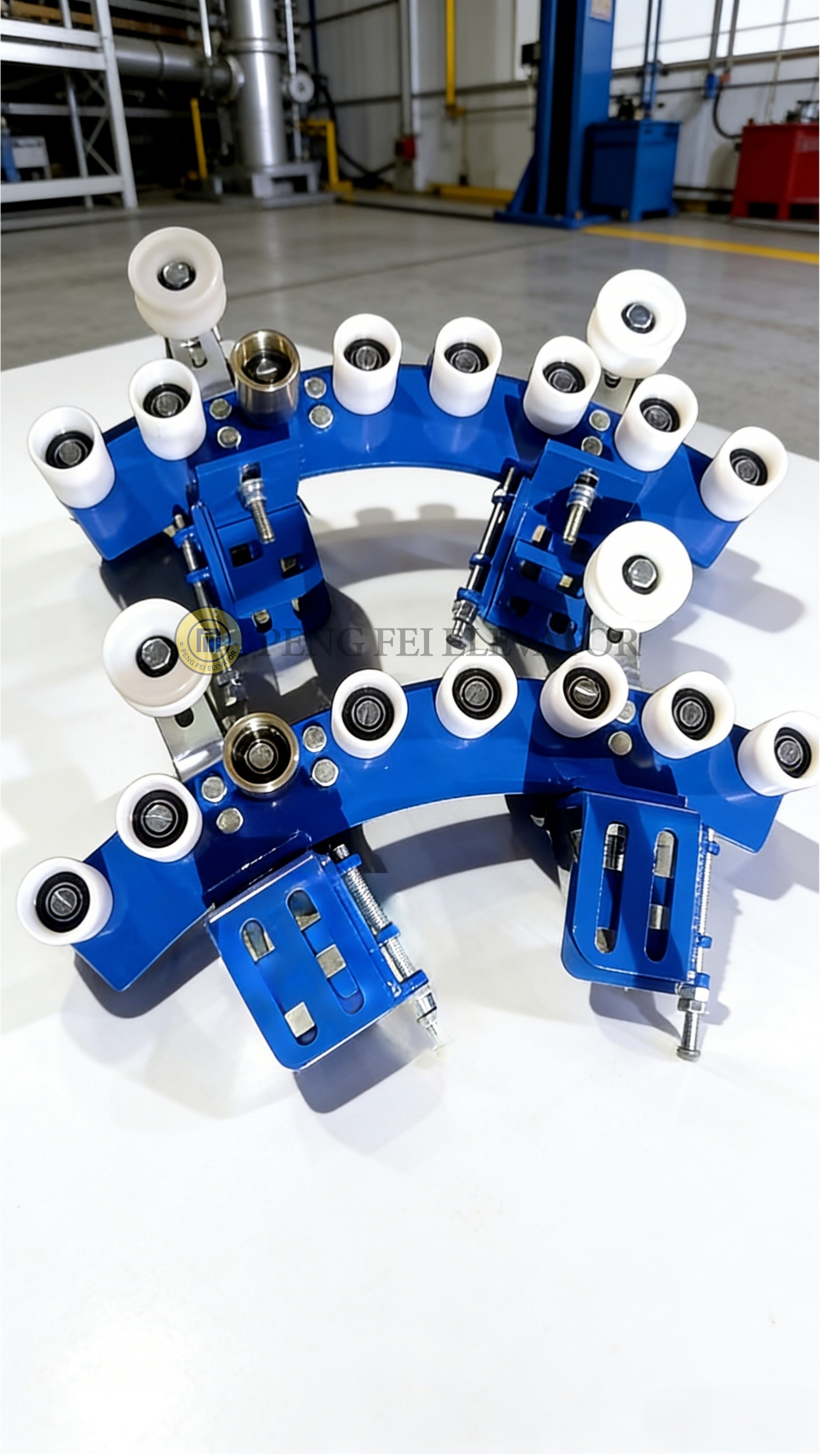
Elevator Door Roller
The elevator door roller is a moving component that helps guide the door during opening and closing.
Because the roller experiences repeated movement and friction, long-term operation can lead to wear. Abnormal noise, uneven movement, and increased resistance may indicate that the roller requires inspection.
Elevator Door Hanger Roller
The elevator door hanger roller works with the door hanger and guide structure to support the movement of the door panel.
Correct dimensions and compatibility are important when replacing this component. A roller that does not properly match the hanger or guide system may affect door operation.
Elevator Door Lock
The elevator door lock is another important part of the system. It works with the corresponding mechanical and electrical components to maintain the required door locking condition.
Because the door lock is related to elevator safety functions, replacement and maintenance should follow the technical requirements of the specific elevator equipment.
Common Elevator Door System Problems
Elevator doors operate many times during normal use, so their components can gradually experience wear.
Common problems include abnormal noise, slow or uneven door movement, incomplete closing, repeated door opening, and inconsistent operation.
These symptoms may have different causes.
For example, abnormal door movement may be related to a worn roller, while incomplete closing could involve the door hanger, guide system, door lock, alignment, or another component.
This is why effective elevator troubleshooting requires a systematic inspection.
Why Regular Maintenance Matters
Regular maintenance can help identify component wear before it develops into a larger problem.
During inspection, technicians can check the condition of rollers, hangers, locks, guide surfaces, mounting structures, and other relevant components.
Frequently operated components such as rollers may require particular attention because they are continuously exposed to mechanical movement.
Keeping commonly required elevator spare parts available can also help maintenance companies reduce repair delays.
How to Select Replacement Elevator Parts
When replacing components in an elevator door system, appearance should not be the only selection criterion.
Important factors include:
Product dimensions
Mounting configuration
Material
Operating conditions
Compatibility with the existing system
Technical specifications
Manufacturing quality
For international buyers, providing drawings, model numbers, samples, or detailed measurements can help suppliers identify the correct component more efficiently.
This is especially important when sourcing elevator parts for different elevator models.
OEM and ODM Elevator Door Components
Different elevator manufacturers and markets may have specific requirements for door components.
OEM and ODM manufacturing allows customers to request products based on drawings, samples, dimensions, materials, or other technical specifications.
For distributors and maintenance companies, customized production can be useful when standard components are not suitable for a specific elevator door system.
A professional supplier can also provide technical communication, quality inspection, customized packaging, and stable bulk production.
Conclusion
The elevator door system is made up of multiple components, including door rollers, hanger rollers, door locks, and related mechanical structures. The reliable operation of the system depends on the proper cooperation of these parts.
Regular inspection and timely replacement of worn components can help maintain smooth and stable door operation.
For elevator manufacturers, distributors, and maintenance companies, selecting compatible elevator spare parts and working with a reliable supplier can make long-term elevator maintenance and parts procurement more efficient.
We offer various mechanical replacement parts for escalators and elevators. The products include escalator tooth plates, step frame strips, wear-resistant guide rail strips, step rollers, sprockets, driving rollers, driving friction wheels, driving shafts, gear assemblies, step chains, complete chain components, handrail belts, etc. In addition, we also provide elevator wire rope head assemblies, traction machine shock absorbers, car shock absorbers, sliding guide shoes, hollow guide rails, cast iron guide shoe shoes, traction wheels, guide wheels, buffers, etc. All wear-prone components suitable for electric escalators are compatible with mainstream elevator brands and are applicable for equipment maintenance, renovation projects, and new machine assembly. We offer OEM customization services and can handle large-scale orders as well as small-scale repair orders. Our products are of stable quality and the factory direct sales price has a significant advantage.