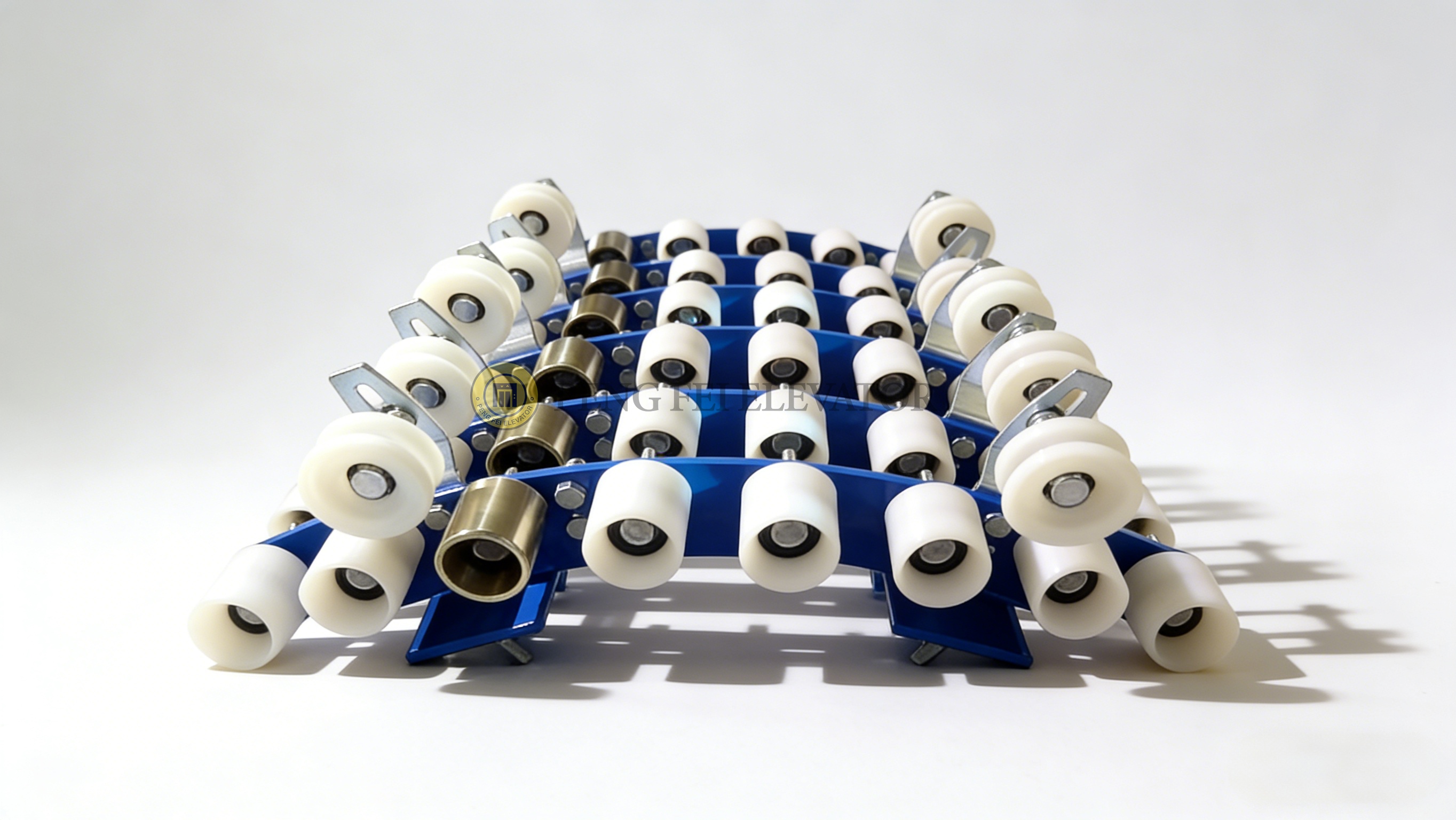
5 Things Every Technician Should Check Before Replacing an Escalator Comb Plate
Replacing an escalator comb plate is a routine maintenance task, but experienced technicians know that a damaged comb plate is often the result of another problem rather than the root cause itself.
Before installing a new comb plate, taking a few extra minutes to inspect the surrounding components can help prevent repeated failures and improve the reliability of the escalator.
The following inspection points are commonly included in preventive maintenance procedures.
- Inspect the Comb Teeth Instead of Looking Only for Broken Teeth
Many technicians replace a comb plate only after several teeth have broken.
However, early wear is usually easier to identify than complete failure.
Pay attention to: Rounded tooth tips; Uneven tooth wear; Hairline cracks; Plastic deformation; Impact marks caused by foreign objects
Replacing the comb plate before severe damage develops can reduce the risk of passenger incidents and protect the escalator steps.
- Check Whether the Step-to-Comb Plate Gap Is Even
After removing the comb plate, inspect the clearance between the escalator steps and the comb plate.
An uneven gap may indicate:Incorrect installation; Step chain elongation; Guide rail misalignment; Worn step rollers
Installing a new comb plate without correcting the underlying issue may result in premature wear of the replacement part.
- Look for Signs of Foreign Object Damage
Comb plates often suffer impact damage rather than simple wear.
Coins, keys, screws, stones, and other debris can become trapped between the steps and the comb plate, damaging the comb teeth.
During routine inspections, technicians should also examine:The landing area; Step grooves; Comb mounting surface; Nearby safety switches
Keeping these areas clean helps reduce unexpected damage.
- Inspect the Mounting Bolts and Base Plate
Sometimes the comb plate itself is still in good condition, but the mounting system has become loose.
Check for:Loose bolts; Worn fixing holes; Corrosion; Base plate deformation
A stable mounting structure is essential for maintaining the correct position of the comb plate during operation.
- Test the Comb Plate Safety Device
Many modern escalators are equipped with a comb plate safety switch designed to stop the escalator if excessive upward movement or impact occurs.
During maintenance, technicians should confirm:
·The switch operates correctly.
·The activation mechanism moves freely.
·Electrical connections are secure.
·No dirt or debris restricts movement.
A new comb plate cannot provide complete protection if the associated safety device is not functioning properly.
Practical Maintenance Tips
During routine maintenance, experienced technicians often follow one simple principle:
| Replace the cause, not just the damaged part.
When a comb plate shows abnormal wear, inspect nearby components such as:
·Step rollers
·Step chain
·Guide rails
·Landing plate
·Safety switch assembly
Finding the root cause before replacing parts reduces repeat repairs and improves long-term reliability.
Common Mistakes During Comb Plate Replacement
Some maintenance issues occur not because of poor-quality parts, but because of incorrect installation.
Common mistakes include:
·Installing the wrong comb plate model
·Ignoring the specified installation gap
·Reusing damaged mounting hardware
·Failing to test the safety switch after installation
·Skipping a full operational test
Following the manufacturer's maintenance procedures helps ensure safe and reliable operation.
Why Choose PF Elevator Parts?
PF Elevator Parts manufactures a wide range of elevator and escalator spare parts, including escalator comb plates, step chains, step rollers, guide rollers, guide shoes, traction sheaves, and other replacement components.
With strict quality control, OEM manufacturing capability, and stable global supply, we support maintenance companies, distributors, and equipment manufacturers with reliable spare parts for long-term operation.
Final Thoughts
A comb plate replacement should never be treated as a simple parts exchange. A careful inspection of surrounding components, mounting conditions, and safety devices can reveal the real cause of wear and help prevent the same problem from occurring again.
For maintenance teams, developing a habit of systematic inspection not only improves repair quality but also increases equipment reliability and passenger safety.
We offer various mechanical replacement parts for escalators and elevators. The products include escalator tooth plates, step frame strips, wear-resistant guide rail strips, step rollers, sprockets, driving rollers, driving friction wheels, driving shafts, gear assemblies, step chains, complete chain components, handrail belts, etc. In addition, we also provide elevator wire rope head assemblies, traction machine shock absorbers, car shock absorbers, sliding guide shoes, hollow guide rails, cast iron guide shoe shoes, traction wheels, guide wheels, buffers, etc. All wear-prone components suitable for electric escalators are compatible with mainstream elevator brands and are applicable for equipment maintenance, renovation projects, and new machine assembly. We offer OEM customization services and can handle large-scale orders as well as small-scale repair orders. Our products are of stable quality and the factory direct sales price has a significant advantage.