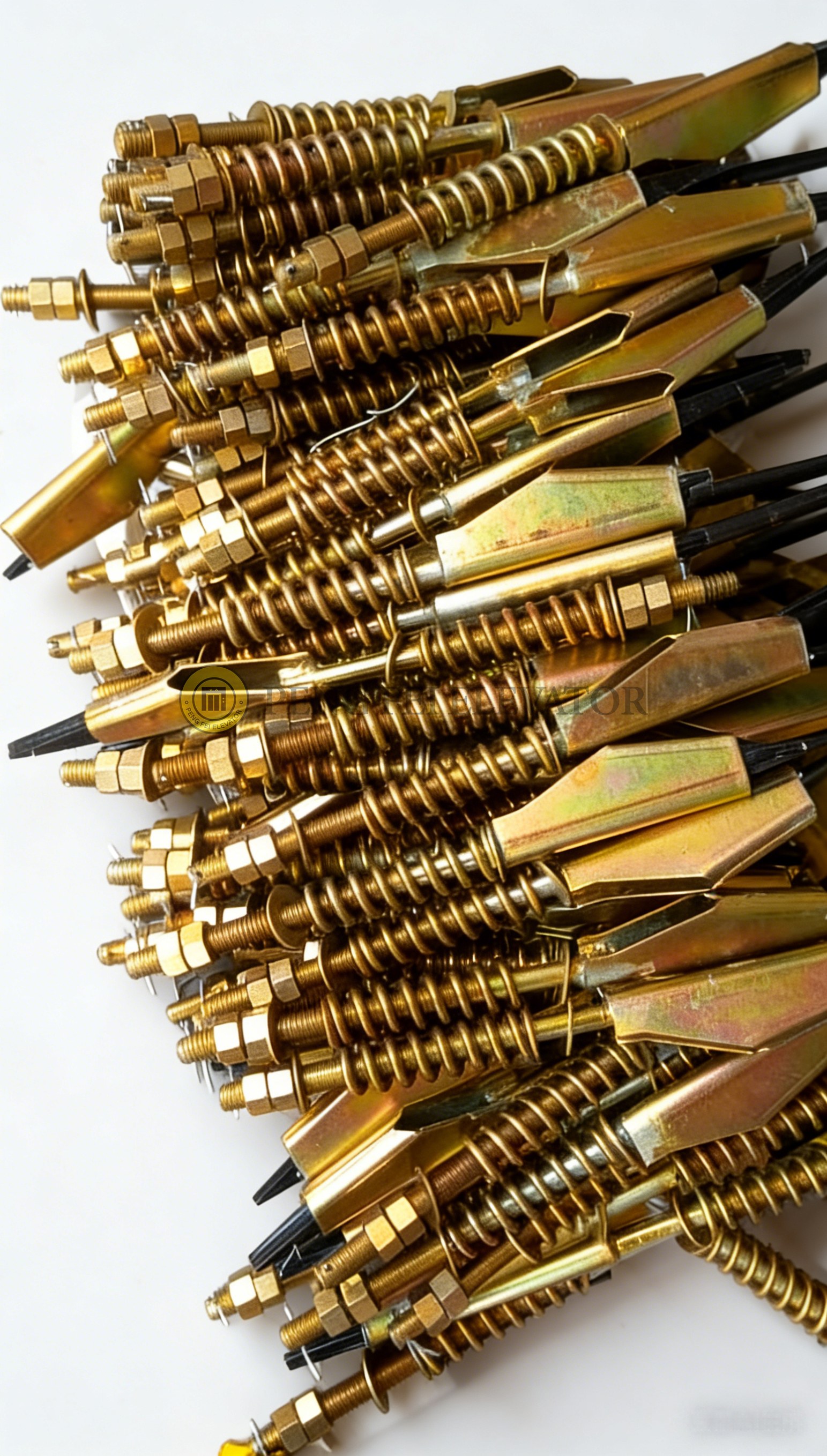
Three Common Misunderstandings About Elevator Door Locks During Maintenance
The elevator door lock is one of the most important safety components in an elevator system. Because it is directly related to passenger safety, even a small problem should never be ignored.
However, during routine maintenance, technicians sometimes focus only on whether the lock works, while overlooking other conditions that may affect long-term reliability.
The following three misunderstandings are commonly encountered in the field.
Misunderstanding 1: If the Door Closes Normally, the Door Lock Must Be Fine
A door that opens and closes smoothly does not always indicate that the door lock is working correctly.
The mechanical movement of the door and the locking function are two different systems.
During inspection, technicians should verify:
·Whether the locking hook fully engages
·Whether the electrical contact changes correctly
·Whether there is excessive mechanical wear
·Whether the lock resets completely after each cycle
Ignoring these points may result in hidden safety risks.
Misunderstanding 2: Cleaning the Lock Is Enough
Dust and grease can affect the movement of a door lock, but cleaning alone cannot solve every problem.
After cleaning, technicians should also inspect:
·Spring tension
·Locking pin wear
·Contact alignment
·Fastener tightness
·Signs of metal fatigue
If mechanical parts have already worn beyond acceptable limits, replacement is a safer option than continued adjustment.
Misunderstanding 3: Replacing the Lock Solves Every Door Problem
A new door lock cannot compensate for problems elsewhere in the door system.
If maintenance records show repeated lock failures, inspect related components such as:
·Door rollers
·Door hanger assembly
·Door operator
·Door guide shoes
·Door panel alignment
Repeated lock damage often indicates that another component is placing abnormal stress on the locking mechanism.
Practical Inspection Tips
Experienced maintenance technicians often include these checks during routine service:
·Confirm smooth mechanical movement
·Verify electrical contact operation
·Check for abnormal wear marks
·Ensure mounting bolts remain secure
·Test door locking consistency over multiple operating cycles
Testing the lock only once may not reveal intermittent faults.
What Maintenance Records Can Tell You
Keeping accurate maintenance records is just as important as replacing worn parts.
By recording:
·Lock replacement dates
·Fault descriptions
·Door adjustment history
·Operating conditions
·Repeat service calls
maintenance teams can identify recurring issues and improve future troubleshooting efficiency.
Why High-Quality Door Locks Matter
A reliable elevator door lock should provide:
·Consistent locking performance
·Accurate manufacturing dimensions
·Stable mechanical operation
·Long service life under frequent use
For maintenance companies, choosing dependable replacement parts helps reduce unexpected failures and improves passenger safety.
Why Choose PF Elevator Parts?
PF Elevator Parts manufactures elevator door system components for maintenance companies, distributors, and OEM customers worldwide.
Our product range includes:
·Elevator Door Locks
·Door Rollers
·Door Hanger Rollers
·Door Guides
·Door Shoes
·Other elevator and escalator spare parts
Every component is produced with strict quality control and supports OEM customization to meet the requirements of different elevator brands and maintenance projects.
Final Thoughts
Successful elevator maintenance is not only about replacing worn components. It is about understanding how each component interacts with the rest of the system.
When technicians move beyond simple replacement and focus on identifying the root cause of recurring problems, elevator reliability improves, maintenance costs decrease, and passenger safety is enhanced.
We offer various mechanical replacement parts for escalators and elevators. The products include escalator tooth plates, step frame strips, wear-resistant guide rail strips, step rollers, sprockets, driving rollers, driving friction wheels, driving shafts, gear assemblies, step chains, complete chain components, handrail belts, etc. In addition, we also provide elevator wire rope head assemblies, traction machine shock absorbers, car shock absorbers, sliding guide shoes, hollow guide rails, cast iron guide shoe shoes, traction wheels, guide wheels, buffers, etc. All wear-prone components suitable for electric escalators are compatible with mainstream elevator brands and are applicable for equipment maintenance, renovation projects, and new machine assembly. We offer OEM customization services and can handle large-scale orders as well as small-scale repair orders. Our products are of stable quality and the factory direct sales price has a significant advantage.